Music Lessons and Musical Theater for Kids in San Diego
Music Pillars is a children's music and performing arts school serving families in 4S Ranch, Del Sur, Poway, Rancho Bernardo, and Rancho Peñasquitos. We help kids build real musical skills and confidence through piano, voice, guitar, drums, rock band, early childhood music, and musical theater.
Spotlight Cast Auditions: Once Upon A One More Time JR.
Grade 6 and above. View Spotlight audition details and reserve your audition.

Musical Theater
Join our teen Spotlight cast: Once Upon A One More Time JR.
Grade 6 and above. Explore the show and book a Spotlight audition.
Ages 7 - 11
Three Separate Casts (capped at 10 per cast to ensure individual development of each cast member!)
Cast 1 - Mondays 5:30pm - 6:30pm (begins Sept 14 - Show December 10)
Cast 2 - Tuesdays 5:30pm - 6:30pm (begins Sept 1 - Show December 11)
Cast 3 - Thursdays 4pm - 5pm (begins Sept 3 - Show December 11)
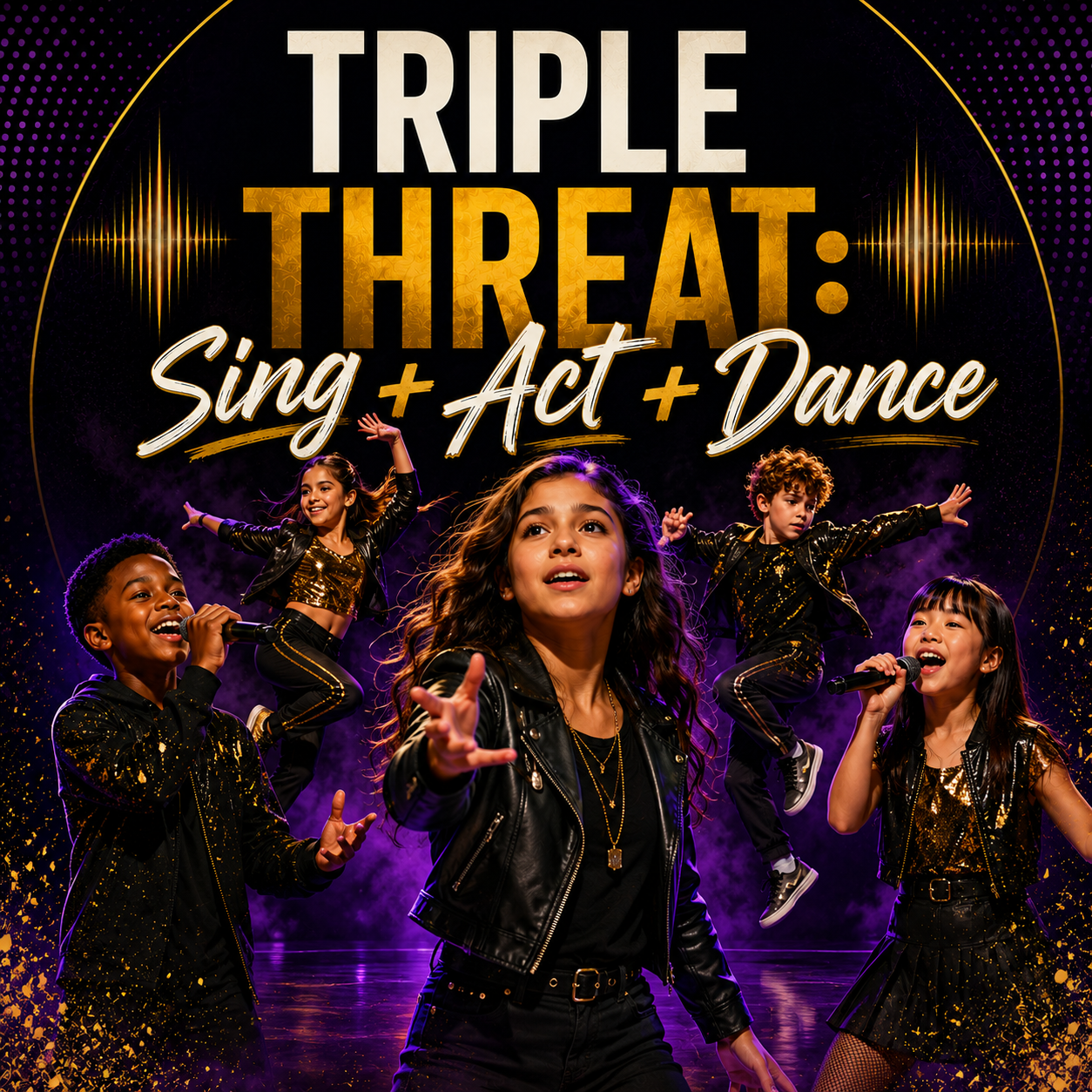
Sing + Act + Dance!
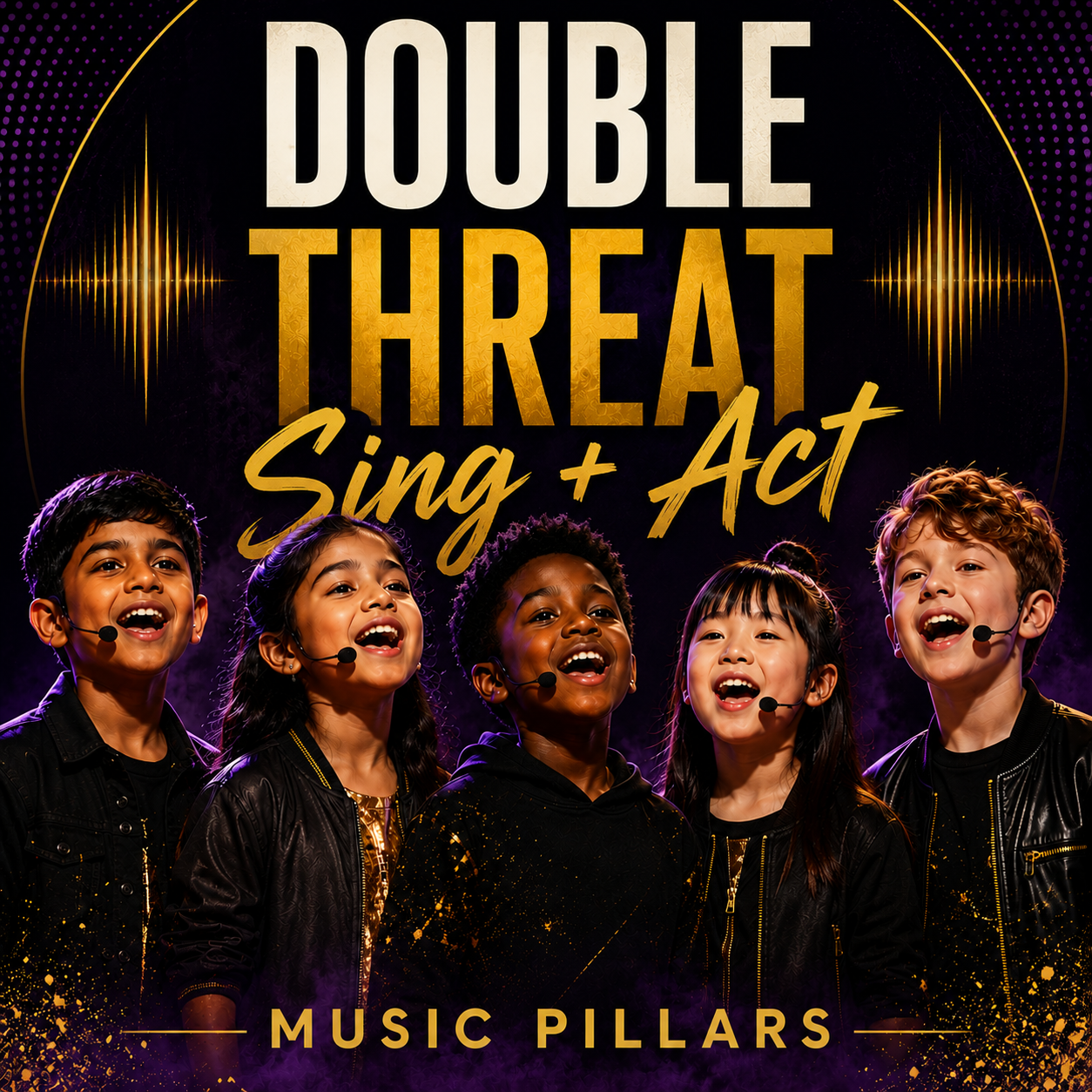
Ages 10 and up
One Cast - Wednesdays
Performances in December
No Audition Required
Capped at 10 students
Call/Text us at (858) 999-8584 for help understanding our large selection of performing arts programs!

Music Lessons in 4S Ranch, San Diego
Our Studio is conveniently located just off the I-15 in the 4S Ranch Business Community Park at 10710 Thornmint Rd, Suite 201, San Diego, CA 92127. We serve families in the communities of Poway, Rancho Bernardo, Rancho Peñasquitos, 4S Ranch, and Del Sur
Why families choose Music Pillars
A better lesson structure
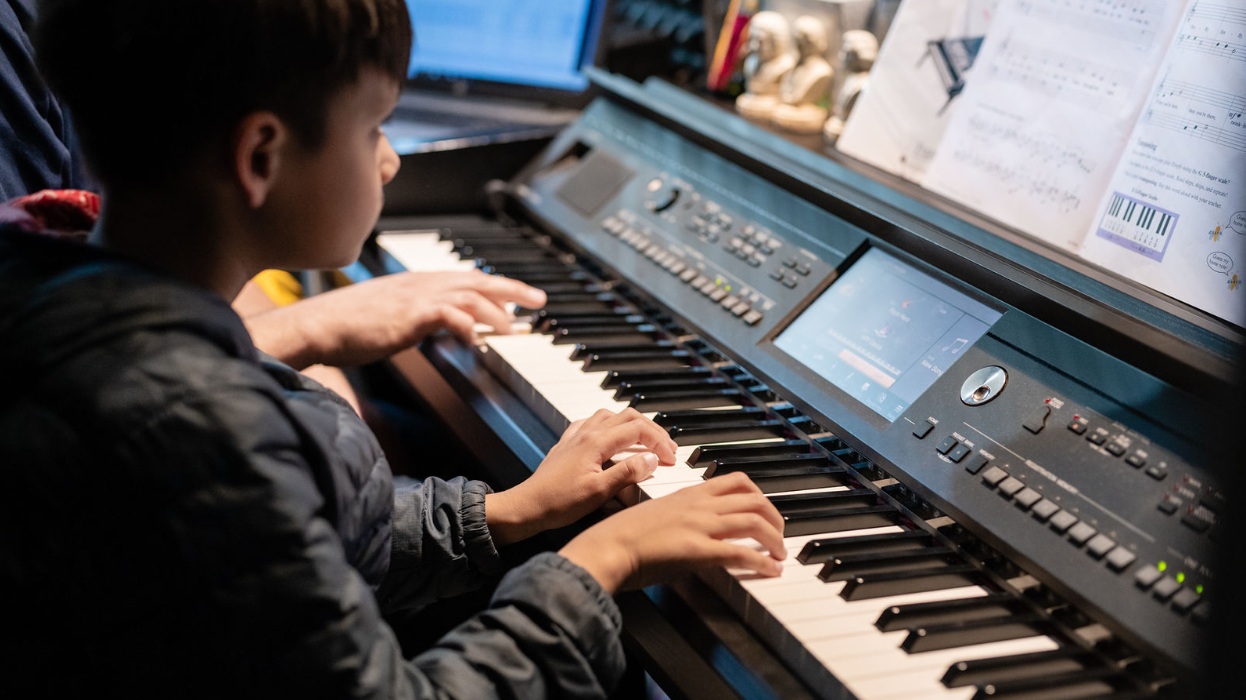
At Music Pillars, students benefit from both group music collaboration/learning AND private instruction. Our 60-minute lessons combine collaborative learning with focused, individualized instruction. Students learn alongside their peers, developing confidence, musicianship, and motivation through shared musical experiences. They also receive dedicated time to work at their own pace, supported by objective software feedback that helps reinforce accuracy, rhythm, note reading, and other essential skills. This combination of teacher guidance, peer interaction, and immediate technology-based feedback gives students multiple ways to learn and improve. The result is a more engaging, well-rounded approach that keeps students learning, progressing, and enjoying music.
Progress you can measure
Progress isn’t left to guesswork. Our curriculum incorporates the internationally recognized Royal Conservatory of Music program, giving students a clear pathway for developing technique, musicianship, and repertoire. In addition, we use objective software feedback to provide visual, measurable information that helps students see where they’re succeeding and where they need additional work. That same feedback gives parents and our instructors greater visibility into each student’s progress over time. Together, a structured curriculum and measurable feedback help students set meaningful goals, celebrate milestones, and keep moving forward.
Students perform regularly
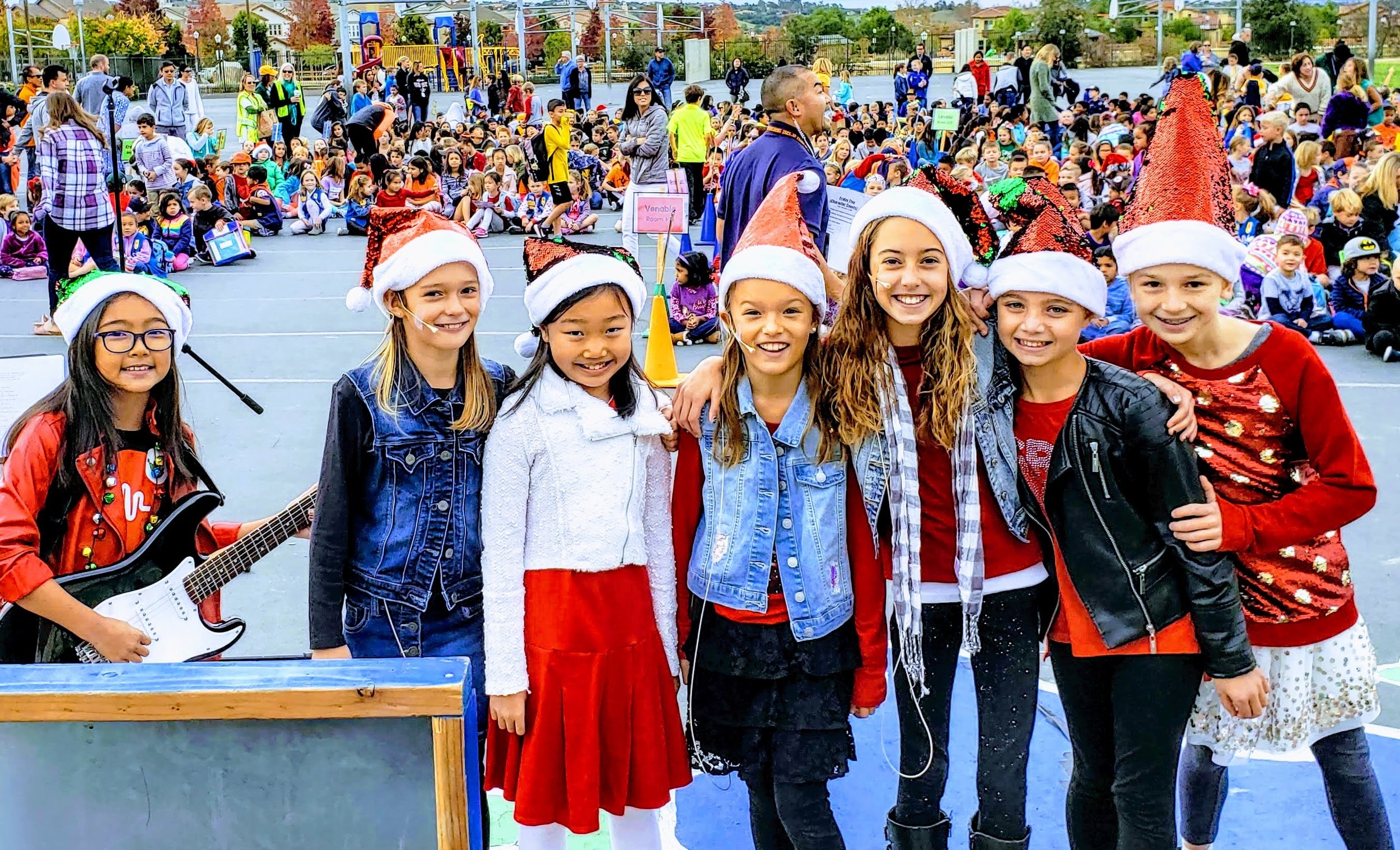
Performing is an important part of learning music, not just something reserved for special occasions. Students have the opportunity to participate in four scheduled performances each year, giving them regular goals to work toward and opportunities to build confidence on stage. Throughout the year, additional community performances are also available, including opportunities to share music with residents at local assisted living communities. Students can perform as soloists or as part of a group, allowing them to develop both individual confidence and collaborative musicianship. These regular performance experiences help students become more comfortable sharing their music while creating meaningful memories and connections with others.
Complete performing arts experience under one roof
One of the things that makes Music Pillars unique is the variety of music and performing arts opportunities students can explore—all under one roof. Children can begin in one program, discover new interests, and continue developing as musicians and performers within the same creative community.
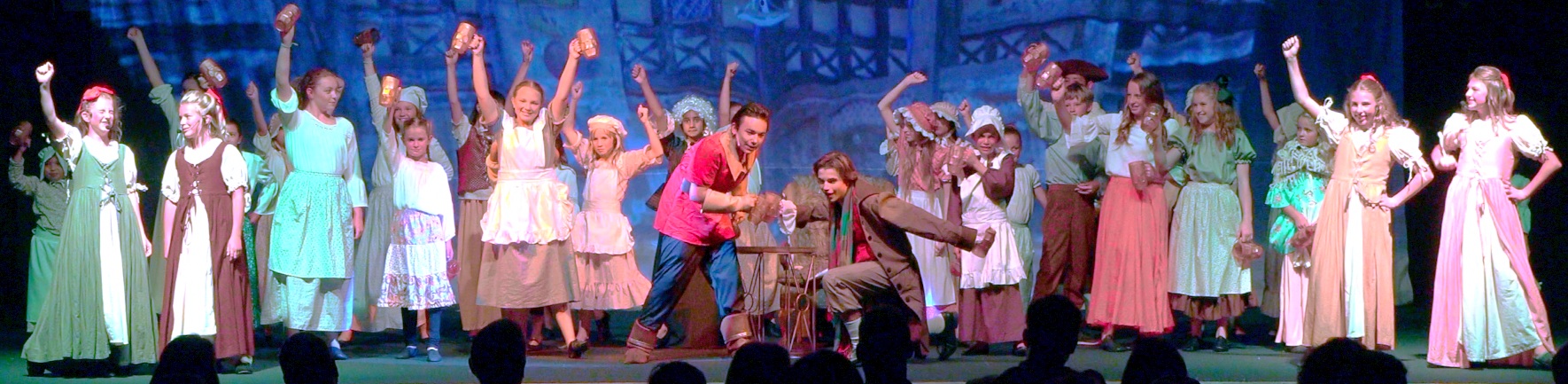
Our Musical Theater programs bring together singing, acting, movement, and performance, giving students the opportunity to develop their stage skills while working together toward a live production.
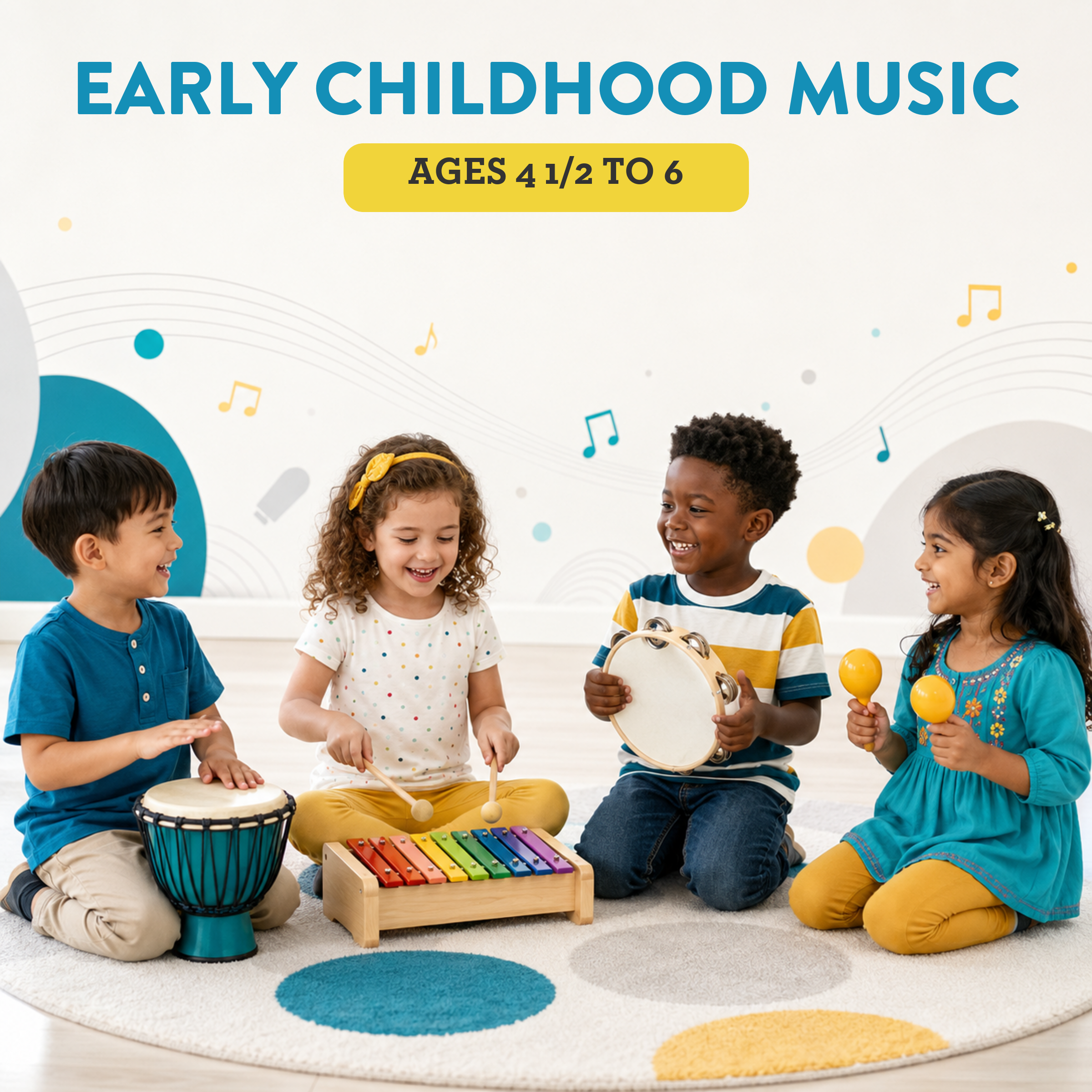
For our youngest musicians, Early Childhood Music introduces children to the fundamentals of music through singing, rhythm, movement, listening, and hands-on musical experiences designed specifically for young learners.
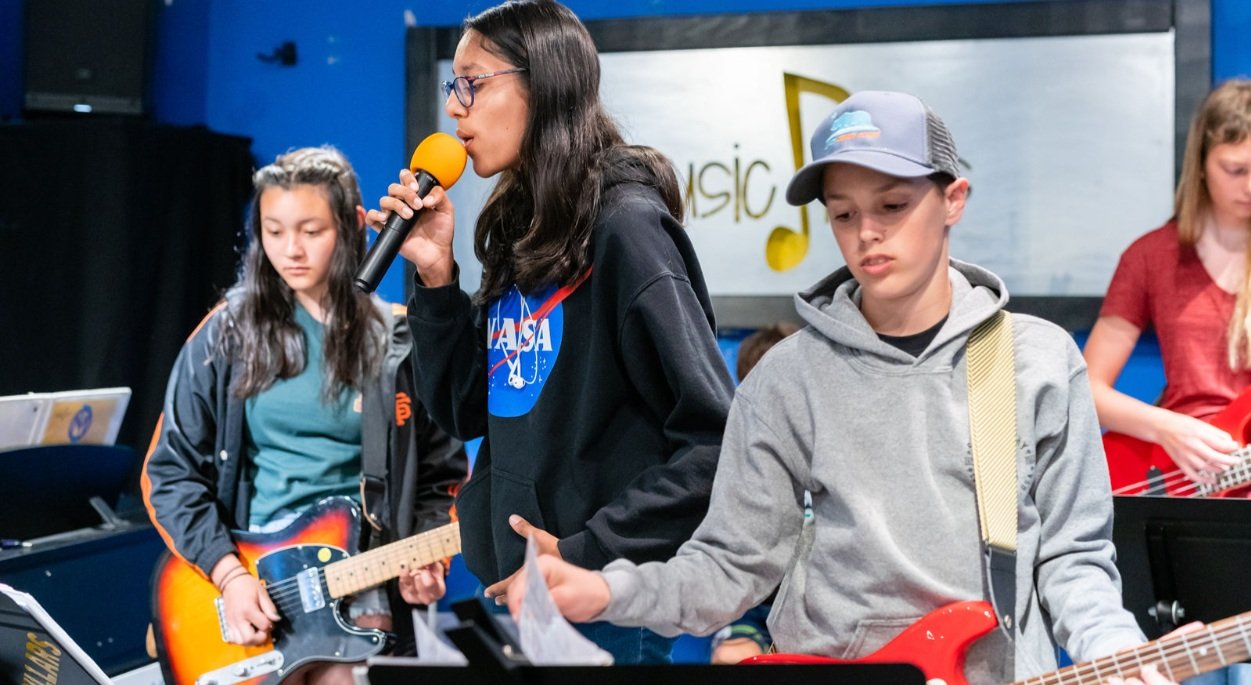
Students ready to make music with others can join our Rock Bands, where they learn how to rehearse, collaborate, listen to one another, and perform as part of an ensemble.
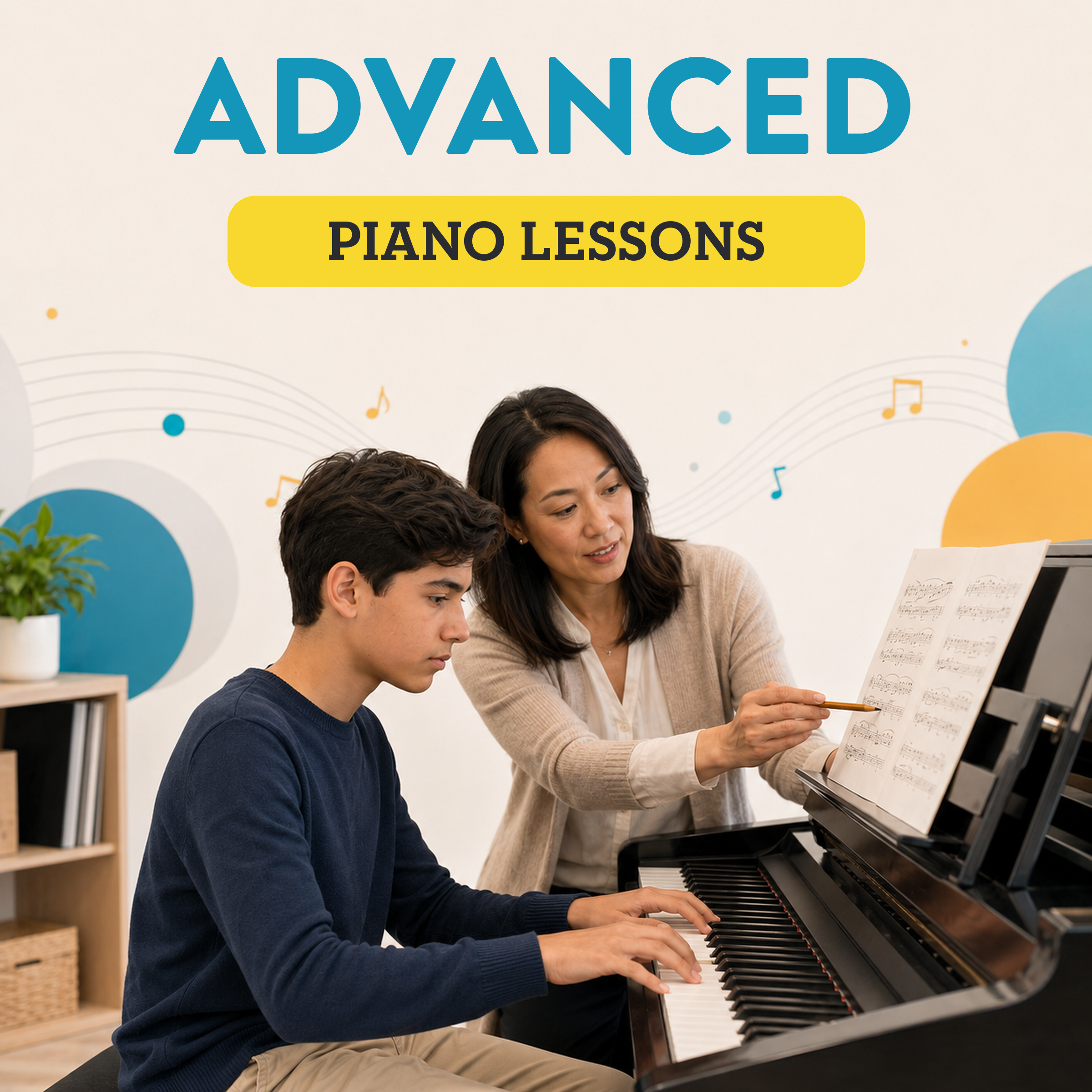
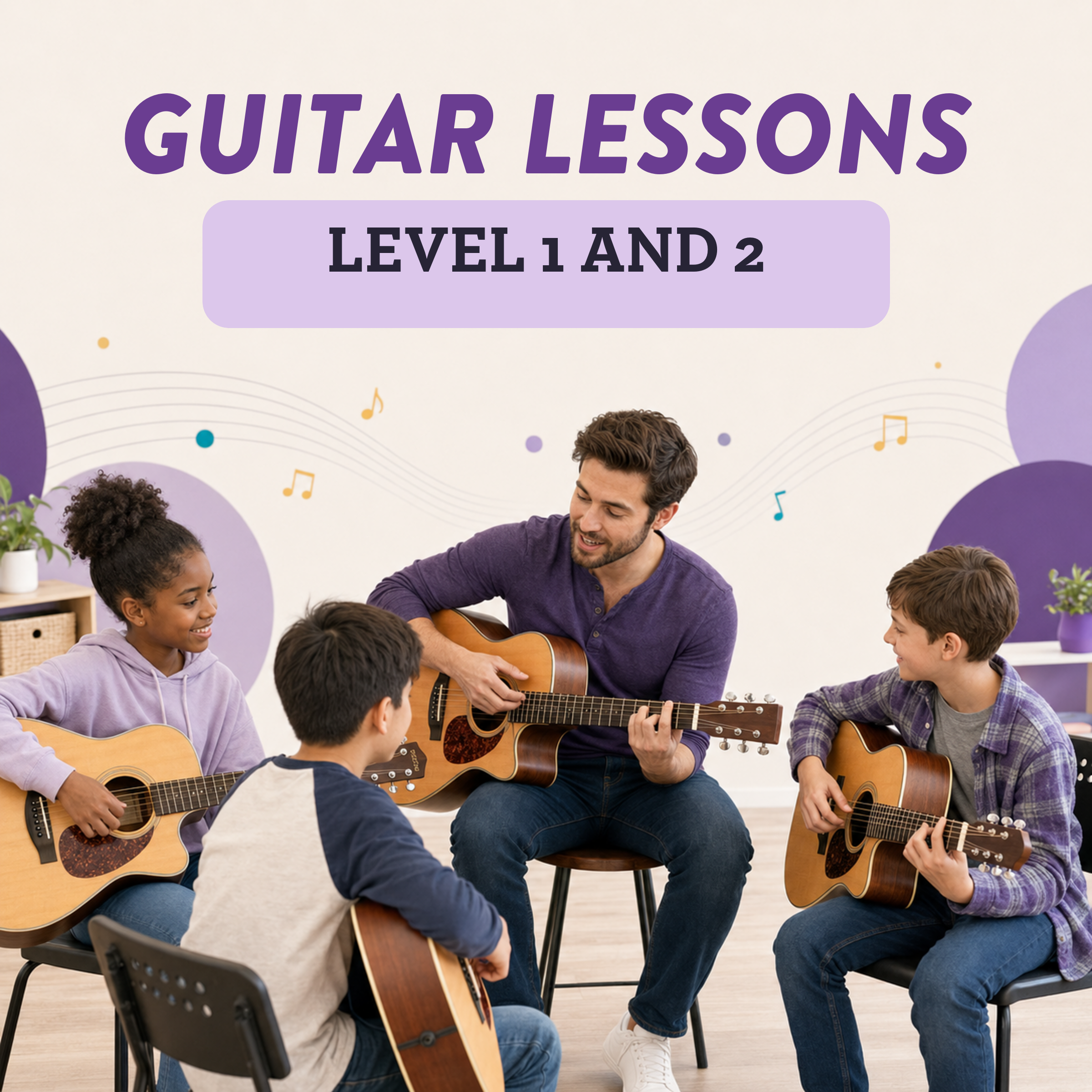
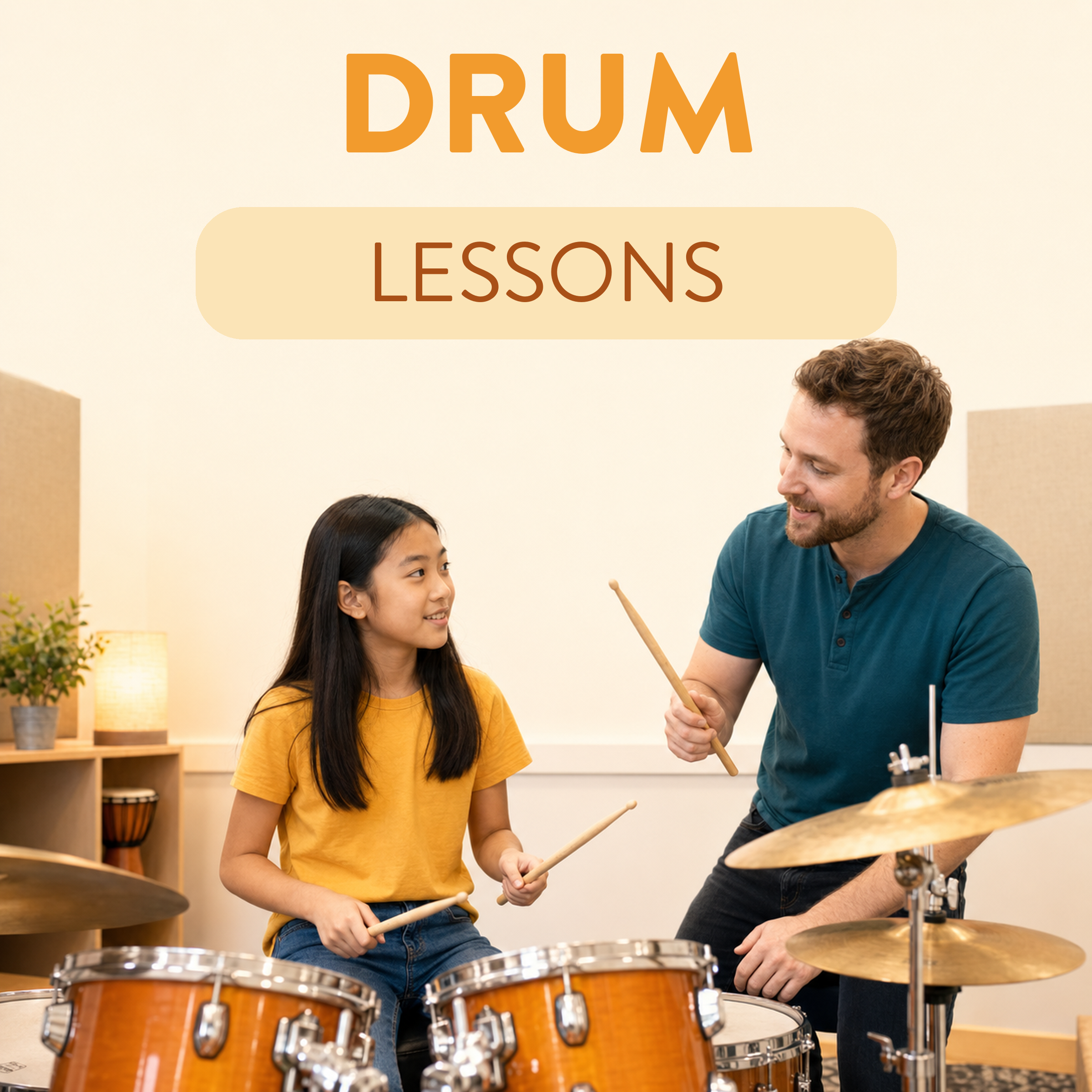
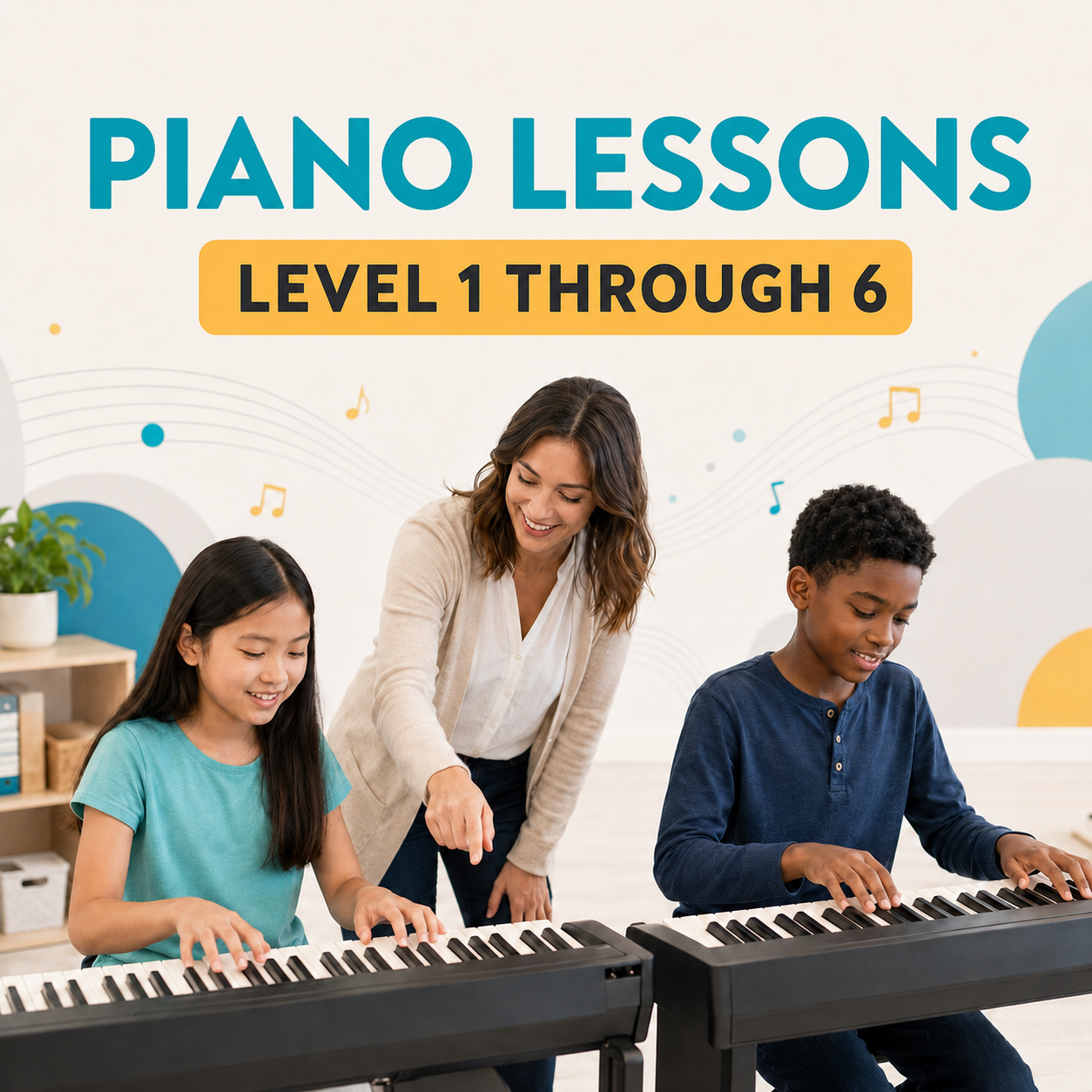
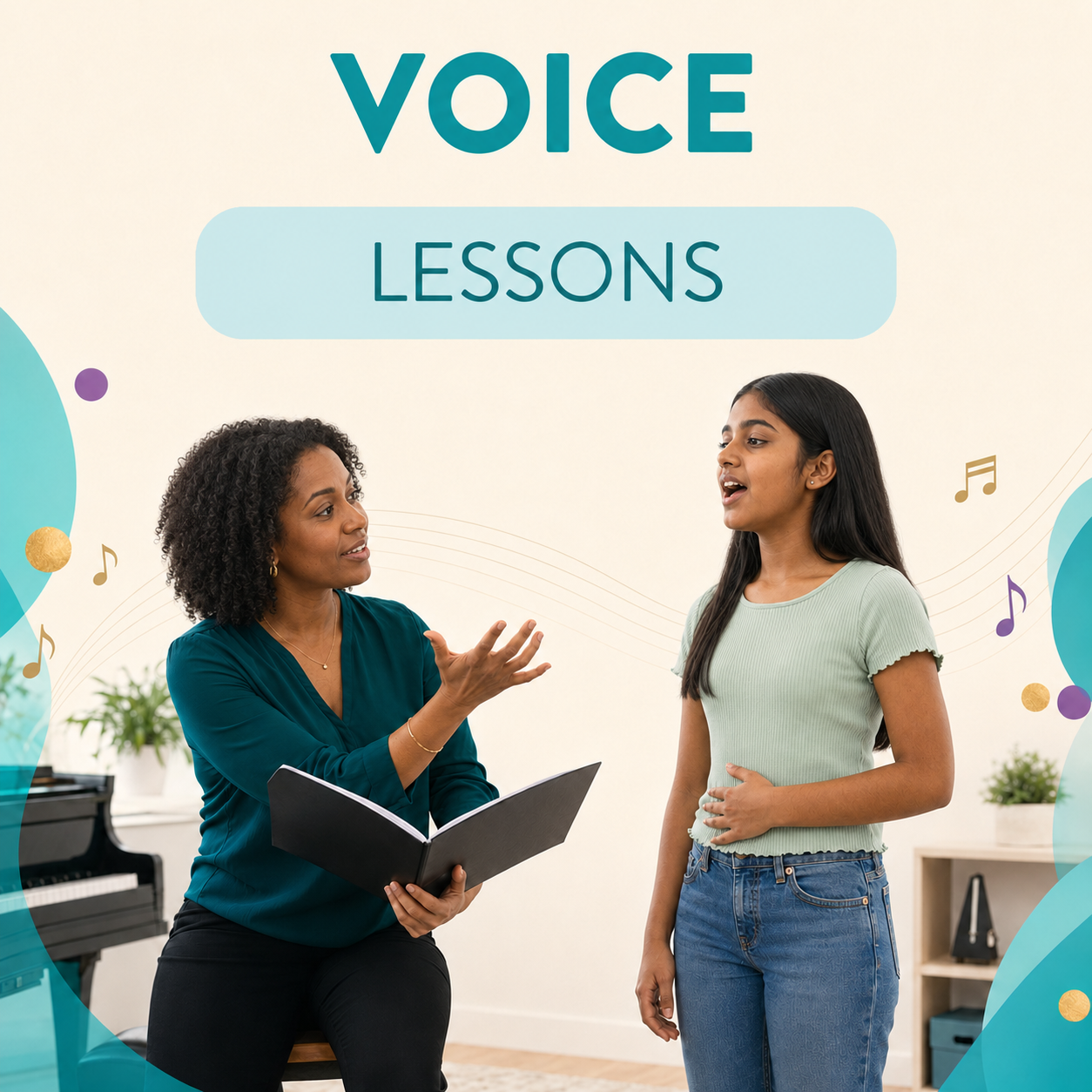
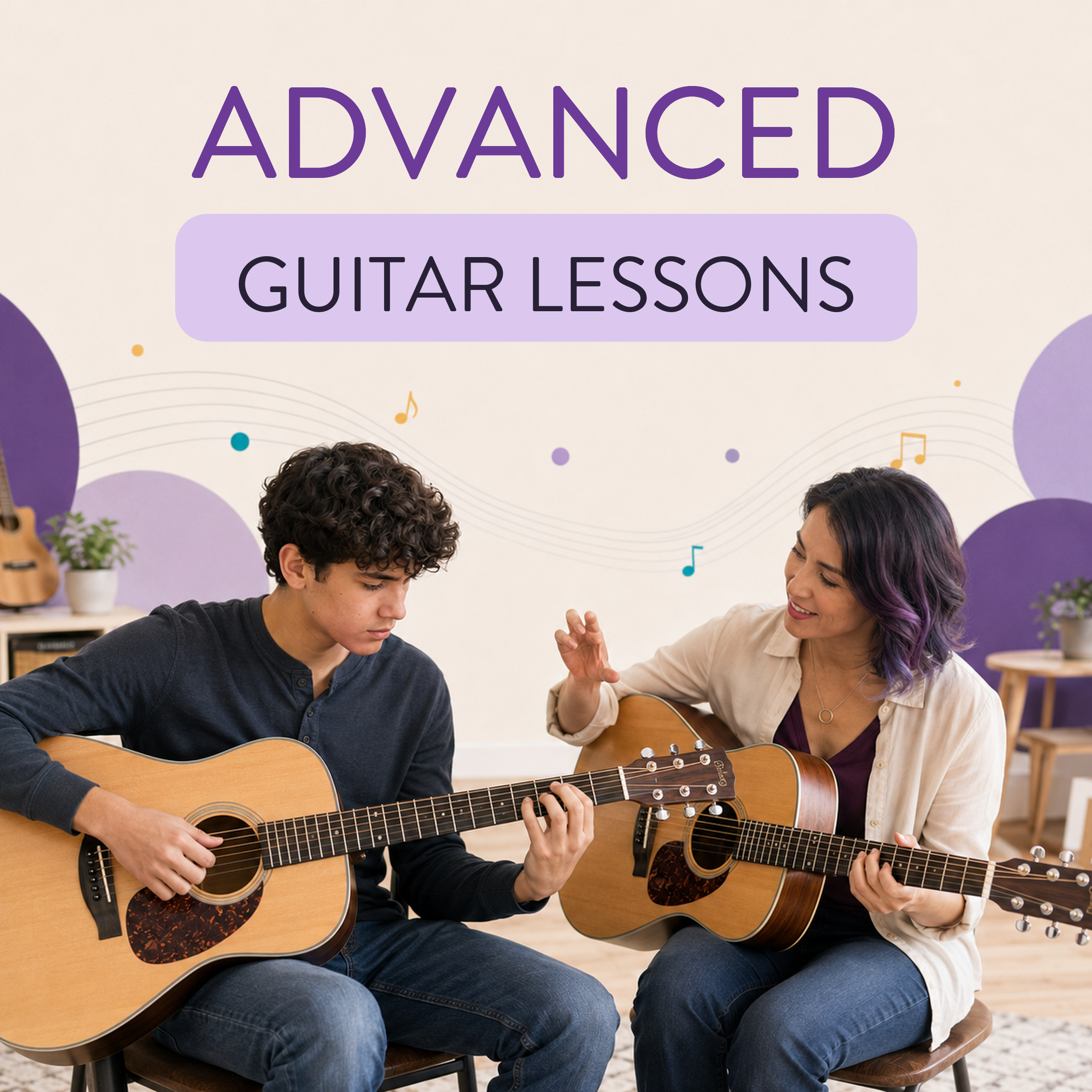
Our Instrument Lessons provide focused instruction in piano, guitar, drums, and voice, helping students build strong technique, music literacy, confidence, and a foundation they can use throughout their musical lives.
Students who love the stage can take their training even further through our Double Threat and Triple Threat programs. Double Threat combines singing and acting, while Triple Threat brings together singing, acting, and dance to develop more complete and confident performers.
Having all of these opportunities in one studio creates something especially valuable: crossover. A piano student can discover musical theater. A vocalist can join a rock band. A musical theater student can strengthen their acting and dance skills through Double Threat or Triple Threat. And a young child beginning in Early Childhood Music can grow into increasingly advanced programs without having to leave the Music Pillars community.
Music Pillars gives students the freedom to explore, discover what they love, and grow across multiple areas of music and the performing arts—all in one place.
How do I know if my child is actually making progress in music?

2. How much should my child practice?
The amount and type of practice a child needs depends on whether they are on the Enrichment, Growth, or Mastery Path. Effective practice means working with focus, breaking difficult music into small, manageable pieces, and creating expectations and routines appropriate to the student’s goals. Most importantly, music is the vehicle: practice develops musical ability while also building focus, persistence, coordination, discipline, and grit. Our full-length article discussing this important topic can be found here.
3. What is the Parent’s role in making music lesson successful?
A child’s success in music lessons isn’t determined by how many hours they practice—it starts with having the right expectations. At Music Pillars, students can follow an Enrichment, Growth, or Mastery Path, depending on their interest, available time, and level of commitment. None is better than another; what matters is that the student, parent, and studio are working toward the same goal. See our thoughts in detail on this topic here on this webpage.

We absolutely teach the fundamentals of music, including monthly assessment exams to monitor and track progress. So it's not JUST about the fun. But as part of every student's journey - they will always have 1-2 pieces of music that they have chosen to learn. We have named the fundamentals of music - the "pillars." They are: Love, Audiation, Theory, Pattern Recognition, Dexterity, Improvisation, Sight-Reading, and Composition. More about each of these pillars can be found here.
Ready for your next stage? Audition for our Spotlight cast.
Once Upon A One More Time JR. welcomes students in grade 6 and above. See Spotlight audition details and reserve your spot.